Join for quick access. Enter your email below and we'll send confirmation plus sign you up to our newsletter.
By submitting your information, you confirm you are aged 16 or over,
have read our
Privacy Policy
and agree to the
Terms & Conditions. Geographical rules apply.
Stay On the Cutting Edge: Get the Tom's Hardware Newsletter
Get Tom's Hardware's best news and in-depth reviews, straight to your inbox.
You are now subscribed
Your newsletter sign-up was successful
Join the club
Get full access to premium articles, exclusive features and a growing list of member rewards.
An account already exists for this email address, please log in.
Denmark’s bid to ditch Microsoft Office for open-source alternative Collabora collapses in under six months — employees cite issues with style, formatting, and tracking changes
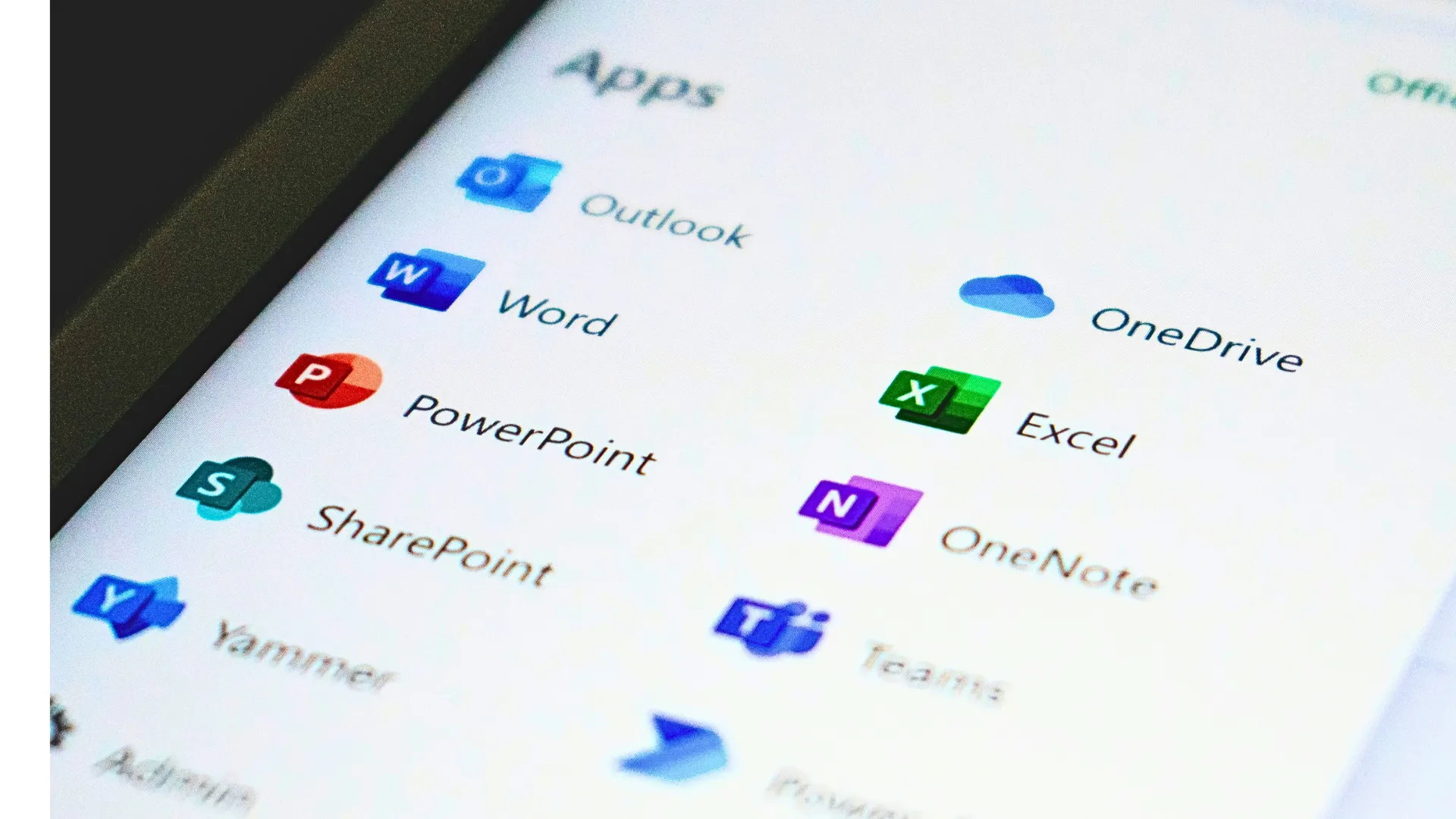
Denmark’s Ministry of Digitization, which has since been merged with other ministries and is now called the Ministry for Research, Education, and Digitization, has reportedly ended its experiment to replace Microsoft Office with an open-source alternative. According to Danish publication Computerworld[machine translated], the pilot project was launched in 2025 and involved 38 employees, all of whom would start using the British open-source Collabora office suite instead of Word, PowerPoint, and Excel.
The experiment was initiated by the then Digitization Minister Caroline Stage, who wanted to reduce the country’s dependence on American technology. Denmark isn’t alone in moving away from U.S. software, with France and the Netherlands both taking steps to replace Microsoft Windows. However, it seemed that the experiment fizzled out less than six months after it started. It had reportedly ended by the time the Danish government called for an early election in February 2026, with some employees complaining about issues with style, paragraph formatting, blank pages, and challenges with tracking changes.
But even though it’s been months since the experiment reportedly ended, Prof. Mikkel Flyberbom of the Copenhagen Business School complains that the project hasn’t been properly evaluated. “It’s a good idea to test alternatives in a pilot project,” the professor said in an email. “However, I wish that the ministry would take the opportunity to learn from the pilot project and share those experiences with other parts of the public sector.”
The Microsoft Office alternative had to work with the then Ministry of Digitization’s central case management system called F2, but it’s unclear why it only chose Collabora for the project. While Collabora is based on LibreOffice, which is one of the most popular and mature open-source alternatives to Microsoft’s office suite, there are also several other alternatives it could have tested, like OnlyOffice, OpenOffice, and Calligra. There have also been recent attempts to use AI to create open-source versions of subscription-based software like Microsoft 365 and the Adobe Creative Suite, but governments would likely want to choose a reliable and stable build instead of these experimental AI-built apps.
It’s still a mystery why the Danish government chose to work with only open-source Microsoft Office alternatives in its testing. It probably would’ve been better if different teams used three alternatives and then the project proponents conducted a review after the testing period to determine the best solution. Nevertheless, the question is moot with the apparent failure of the open-source experiment.
Jowi Morales is a tech enthusiast with years of experience working in the industry. He’s been writing with several tech publications since 2021, where he’s been interested in tech hardware and consumer electronics.
Danish government did a half-assed crap job at testing MS Office alternatives, and they don't want to explain what failed, nor why it failed, and just decided to go the "easy way": having a foreign company from an unreliable/aggressive/unfriendly country be in charge of state-wise office solutions.
6 Months is not enough time. That and what did they use?
The newest Libre Office works really well and I have had few issues. But I have also been using it for a few years. So im use to it and know where the basic options are.
Danish government did a half-assed crap job at testing MS Office alternatives, and they don't want to explain what failed, nor why it failed, and just decided to go the "easy way": having a foreign company from an unreliable/aggressive/unfriendly country be in charge of state-wise office solutions.
Did I miss anything?
Yeah that sounds about how I understood it too, and it makes Denmark's tech sector look really bad if they considered that to be thorough test of replacement systems, or I should say "system" singular, because they didn't bother even trying others before apparently giving up .
What it came down to was polish and support. They went with Collabora because it has actual support even if the underline software is Libreoffice.
A governments bureaucracy is not the same as home use, you dont just fire up any old MS Office clone, the demands and requirements are far higher with MS have decades of experience whereas open source alternatives are well only if someone cares to do it or a third party contractor like Collabaora itself makes the needed changes.
That's not the real Danish experiment with a digitally sovereign desktop. It's just a symbolic exercise that the former minister launched in her own ministry without proper support or funding, which was cancelled as soon as she left office.
The real Danish experiment with a digitally sovereign desktop is being run by the Agency for Governmental IT Services and is being documented here:
https://interoperable-europe.ec.europa.eu/collection/open-source-observatory-osor/news/denmarks-open-source-desktop-pilot-ten-months
I can understand why they would not test with a Russian code base like OnlyOffice but why they did not include German FreeOffice in the test remains a mystery to me.
This reads like institutional inertia to me -- also known as resistance to change. People don't want to learn or adapt to a new piece of software or workflow. They don't want to evaluate alternatives. All they want to do is do their job, go home, and get paid. Switching the way things have always been done just adds unwanted complexity that gets in the way of whatever goals employees have to do and doesn't help them when it comes time to advocate for promotions.
I think Denmark could make the transition away from Office and Windows if they wanted to. They'd need to have a clear directive or mandate to make the change, and someone would need to evaluate what alternative works best to roll out government wide. Then they'd need to show people why and how this new way of doing things is better.
I personally drove one of these efforts about 15 years ago. The thing I built and led was cheaper, less resource-intensive, easier to use, and easier to maintain or extend. Having leadership support and showing people how much quicker the new workflow was drove adoption. I don't get the impression Denmark set themselves up for success like that.
Props to Tom's Hardware for posting both the original news and the less-exciting conclusion. Many news outlets will just pick the juicy headline and ignore the later one which completely reverses it (such as a scientific study later proven to be invalid).